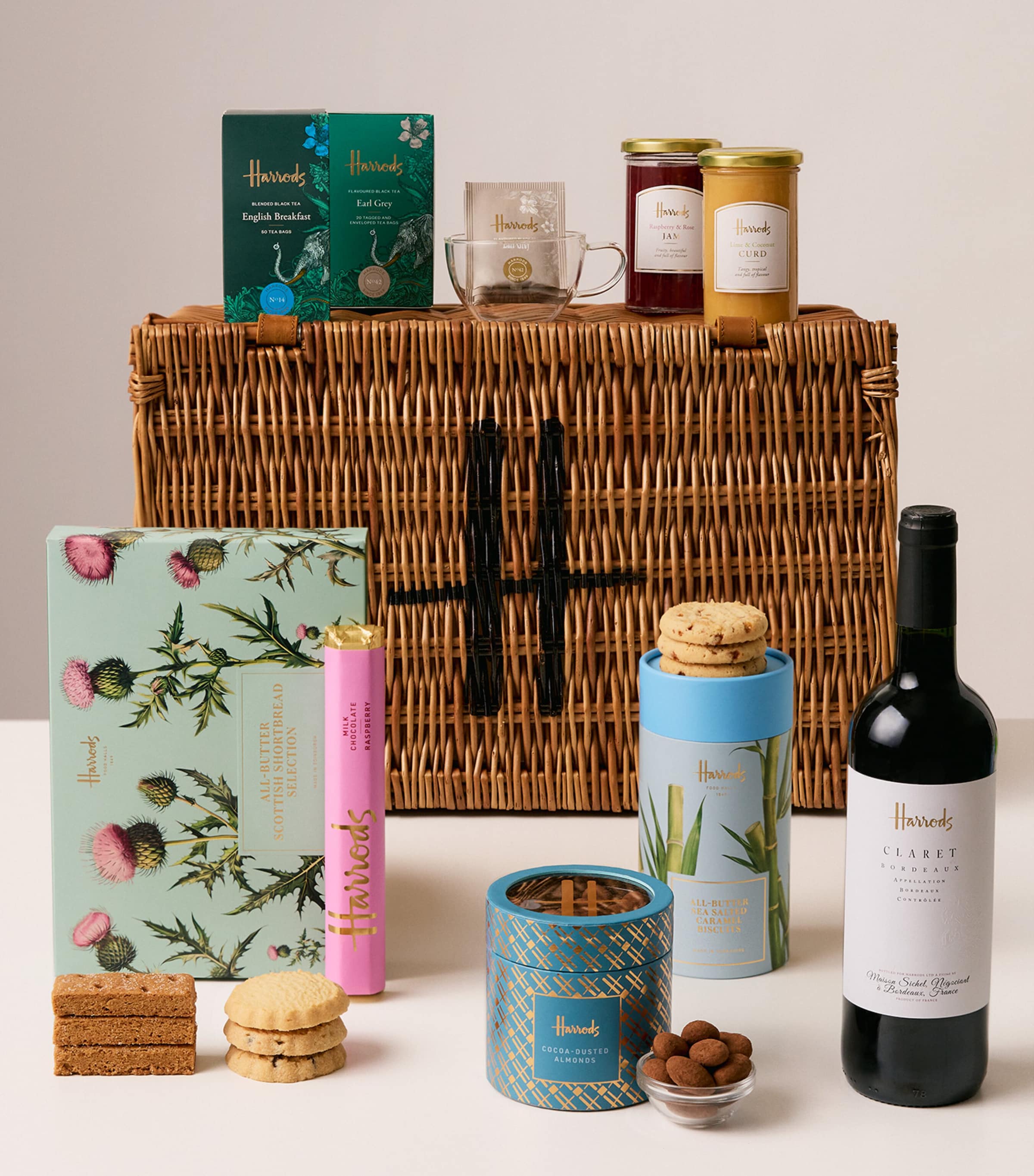
How to Assemble Hampers That Look Expensive But Are Affordable
Gift-giving can feel like an Olympic sport—a high-stakes combination of impeccable taste, deep knowledge of your recipient, and a budget that often seems laughably small. We’ve all been there: standing in the gift aisle, staring at beautifully arranged baskets filled with artisanal goods, feeling that familiar tug of "I must make this perfect." The pressure to buy something impressive—something that screams luxury and thoughtfulness—is immense. But what if achieving that high-end aesthetic didn't require emptying your savings account?
The secret isn't always about the dollar value of the contents; it’s about the perceived value, the curation, and the story you tell with the gift. Learning how to assemble hampers that look expensive but are affordable is a skill—one that turns gift-giving from a stressful chore into a genuine act of creative generosity.
The Art of Visual Curation: Making It Look Luxurious
Before you even buy a single item, think like an interior designer. A beautiful hamper isn't just a collection of goods; it’s a carefully styled vignette. Presentation is the most powerful tool in your affordable gift-giving arsenal. How can simple techniques elevate humble items?
Choosing the Perfect Foundation
The container itself sets the tone. Skip flimsy plastic baskets and invest in something with inherent elegance, even if it's secondhand—think woven rattan trays, wooden crates, or beautiful reclaimed boxes. The vessel acts like a canvas; it needs to be sturdy enough to hold its own.
Another game-changer is strategic filler. Instead of just tossing items into the box, utilize crinkle paper shreds (in rich colors like forest green or navy), tissue paper, and even dried floral accents as bedding. This makes the contents look intentionally placed rather than haphazardly dumped.
The Power of Color and Texture
When building your selection, don't buy items randomly. Choose pieces that work together on a color palette. Are you going for rustic earth tones (browns, creams, burnt orange)? Or perhaps crisp, sophisticated jewel tones (emerald, sapphire)? Mixing textures—a rough linen napkin next to a smooth ceramic mug, for example—adds depth and complexity, making the whole arrangement feel richer than its individual parts suggest.
Strategic Shopping: Building Value with Smart Buys
The true magic behind hampers that look expensive but are affordable lies in smart sourcing. You need items that offer a high impact relative to their cost. This requires thinking beyond traditional "luxury" brands and focusing on quality, utility, and visual appeal.
One of the most powerful strategies is mixing categories. Instead of filling a hamper with six different types of gourmet chocolate (which can look repetitive), group them: three small bars, one unique pairing item (like sea salt caramels), and two complementary treats (like artisanal coffee beans). This variety suggests deep consideration.
I remember helping a friend put together a graduation gift for a college student who was moving into her first apartment. We wanted it to scream "adult luxury," but the budget was tight. Instead of buying one expensive scented candle, we sourced three smaller, website beautifully packaged local candles in different scents and placed them on a reclaimed wooden tray. We added bulk-purchased gourmet tea bags and some nice reusable dish soap wrapped with twine. The resulting gift looked like it cost hundreds, but because we focused on volume and variety over single-item expense, the total bill was surprisingly low.
Did you know that Click here local markets are goldmines for these kinds of finds? By shopping at farmer’s markets or small artisan stalls, you find goods from multiple creators—jam jars here, soaps there—which inherently gives your hamper a curated, authentic story, elevating its perceived value instantly.
Crafting Thematic Narratives: Beyond the Food Basket
The most forgettable hampers are those that just dump random nice things into a box. The best ones tell a story or promise an experience. This narrative approach is what makes hampers that look expensive but are affordable because it justifies the collection of disparate items.

Consider themed kits:
- The Ultimate Reading Nook: Include a small book light, gourmet tea, fuzzy socks, and some fancy chocolate. The theme provides cohesion.
- Movie Night Cinema Kit: Combine popcorn seasoning blends, a cozy throw blanket (thrifted or inexpensive), artisanal soda bottles, and maybe a themed candy box.
- Self-Care Reset: Focus on bath bombs, specialized soaps, face masks, and scented oils.
When you approach it this way, you are no longer buying "stuff"; you are purchasing an afternoon of relaxation. This conceptual shift changes how the giver perceives the gift—and consequently, how the receiver feels about it. As someone once said, "Thoughtfulness is not measured in currency, but in time." Your effort to curate a perfect theme shows that time and care, which always costs less than you think.
Elevating Your Gifting Game for Any Occasion
Ultimately, mastering the art of gifting means recognizing that the recipient cares most about the sentiment behind the gift, not the receipt attached to it. When planning your next arrangement, remember that true sophistication is subtle; it’s in the details—the perfect ribbon choice, the complementary spice blend, or a handwritten card referencing an inside joke.
Don't wait for a major holiday to practice this skill. Start small: create a thoughtful "just because" hamper for a friend who had a rough week. By focusing on curation and story over sheer cost, you don’t just buy a nice gift; you build a memorable moment. You are now equipped with the knowledge to assemble beautiful hampers that look expensive but are affordable, proving that generosity truly knows no price tag.
Ready to tackle your next gifting challenge? Start by gathering inspiration from local markets and practicing a single theme—whether it’s "cozy autumn evening" or "bright summer morning"—to make your next gift unforgettable without the financial stress.